Machine
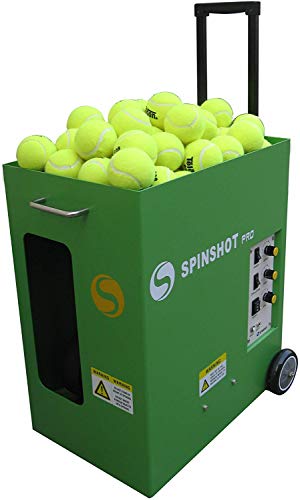
Spinshot Pro
Direct controls; adjustable topspin, backspin and electronic elevation.
Confirm the selected package, accessories and seller on Amazon.
Check Amazon offer ↗Read the model guideA progression changes one practice task in deliberate stages. It is more informative than jumping between unrelated presets because you can see which added demand affects your execution. Start with a drill your machine can safely deliver within its instructions, then introduce movement and uncertainty only as they serve a specific goal.
As an Amazon Associate I earn from qualifying purchases. About affiliate links.
Machine
Direct controls; adjustable topspin, backspin and electronic elevation.
Confirm the selected package, accessories and seller on Amazon.
Check Amazon offer ↗Read the model guide
Machine
Lower listed weight; topspin and backspin.
Confirm the selected package, accessories and seller on Amazon.
Check Amazon offer ↗Read the model guideChoose a comfortable fixed feed and a generous target on the opposite side. Define the action you want to repeat, such as a balanced groundstroke directed into that area. Pick a short set size you can perform attentively and use the same setup for the first comparison.
Score the chosen target and record whether you completed the intended action. A ball landing in the target through an uncontrolled swing may not satisfy the technical purpose. Equally, a technically useful repetition that narrowly misses is worth discussing with a coach rather than dismissing automatically as a failure.
Keep the incoming feed similar and add a clear recovery position between shots. Adjust the interval so the movement can be completed at the difficulty you intend. If the recovery task consumes all your attention, make the shot target simpler before increasing other demands.
Nisplay's practice guidance includes forehand-backhand consistency and an alternating movement exercise. Use those as examples of different tasks a machine can support, not as mandatory durations or settings. The important step in your progression is knowing whether you are adding movement, pace or a technical change.
If the machine supports an appropriate two-location pattern, introduce it while keeping the target and timing manageable. Learn the movement sequence first. Observe whether you arrive in position to execute the same stroke quality you established in the fixed-feed stage.
If your machine cannot deliver the required sequence, practice the locations in separate blocks or revise the exercise. A drill plan should fit the equipment's capabilities and operating requirements. Do not improvise supports, raise the machine or alter its mechanism to imitate a preset shown for another model.
As an Amazon Associate I earn from qualifying purchases. About affiliate links.
Machine
Direct controls; adjustable topspin, backspin and electronic elevation.
Confirm the selected package, accessories and seller on Amazon.
Check Amazon offer ↗Read the model guideMachine
Lower listed weight; topspin and backspin.
Confirm the selected package, accessories and seller on Amazon.
Check Amazon offer ↗Read the model guideIntroduce uncertainty only within a range you can manage, if the machine supports it. For example, let the receiving side vary while keeping the basic incoming pace stable. Choose an observable response, such as selecting the appropriate broad target for the ball received.
Do not equate random with match-realistic. A random program may create combinations that differ from the situation you want to rehearse. Limit its range or use a programmed sequence when that better serves the task. The point is an appropriate decision demand, not maximum surprise.
Compare each stage with the earlier one and identify where quality changed. That finding tells you what to revisit: the stroke itself, movement, recovery time or selection of a target. Repeat a stage when it provides useful work, rather than advancing simply because its set is complete.
Use a later rally or point-play session to explore the same purpose with a live opponent. The machine progression can prepare a controlled situation, but another player's contact and choices add information it may not supply. Keep notes from both settings so the next machine session addresses a concrete need rather than repeating the hardest preset available.
As an Amazon Associate I earn from qualifying purchases. About affiliate links.
Machine
Direct controls; adjustable topspin, backspin and electronic elevation.
Confirm the selected package, accessories and seller on Amazon.
Check Amazon offer ↗Read the model guideMachine
Lower listed weight; topspin and backspin.
Confirm the selected package, accessories and seller on Amazon.
Check Amazon offer ↗Read the model guideFind a machine · Plan your complete setup · Tennis ball machine homepage