Machine
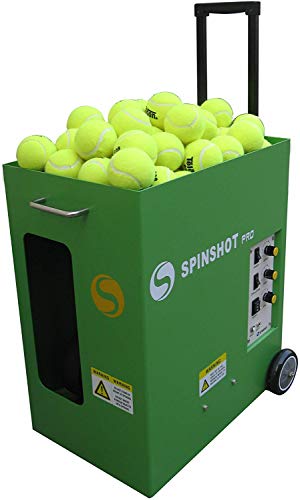
Spinshot Pro
Direct controls; adjustable topspin, backspin and electronic elevation.
Confirm the selected package, accessories and seller on Amazon.
Check Amazon offer ↗Read the model guideRental can provide access without storage and maintenance responsibilities. Ownership can provide control over the equipment and schedule, provided you also have court access. Decide between them using comparable sessions and realistic use assumptions. An apparent financial break-even point matters only if you would actually complete the sessions used in the calculation.
As an Amazon Associate I earn from qualifying purchases. About affiliate links.
Machine
Direct controls; adjustable topspin, backspin and electronic elevation.
Confirm the selected package, accessories and seller on Amazon.
Check Amazon offer ↗Read the model guide
Machine
Lower listed weight; topspin and backspin.
Confirm the selected package, accessories and seller on Amazon.
Check Amazon offer ↗Read the model guideAsk whether the quoted arrangement includes the court, compatible balls, a controller and setup instruction. Confirm the reservation length, collection and return procedure, cancellation conditions, and any restrictions on who may operate the equipment. Do not assume a machine booking automatically reserves a court.
A published rental policy can reveal obligations beyond the fee. Avalon's January 2026 policy, for example, describes checking out a key, returning equipment and collecting balls. That is an illustration of terms to examine, not a statement that the same service or rules are available at your venue.
Use the duration you would realistically book, including setup and collection. A one-hour rental does not necessarily mean an hour of continuous hitting, and owning the equipment does not eliminate the same practical tasks. Compare usable practice on both sides.
Decide which costs are shared by both options. If you would pay the same court fee either way, keep it consistent rather than charging it to ownership alone. If a rental bundle includes a court that an owner would need to book separately, reflect that actual difference.
Include the machine configuration you would buy, essential accessories and a suitable ball batch. Add identifiable ownership expenses over the period you want to compare. Use manufacturer or service information where available and record uncertain items explicitly instead of assigning every part an invented annual replacement cost.
Open the ownership cost calculator to compare your assumptions. Use the setup budget planner if you first need to assemble the complete purchase. Treat any resale estimate as uncertain and check the result with a lower resale assumption.
As an Amazon Associate I earn from qualifying purchases. About affiliate links.
Machine
Direct controls; adjustable topspin, backspin and electronic elevation.
Confirm the selected package, accessories and seller on Amazon.
Check Amazon offer ↗Read the model guideMachine
Lower listed weight; topspin and backspin.
Confirm the selected package, accessories and seller on Amazon.
Check Amazon offer ↗Read the model guideRun the comparison with your expected usage and then with a substantially quieter year. Travel, weather, court availability and changing interests can reduce actual sessions. If ownership only looks attractive under an ambitious schedule, rental may preserve useful flexibility while you establish the habit.
Also consider timing rather than just quantity. A shared rental machine may be inconvenient at your preferred hour, but an owned machine still needs a permitted court. Verify which scheduling problem ownership would solve before treating all rental inconvenience as a reason to purchase.
During a rental session, record the controls you used, time spent collecting balls and the drills you wanted but could not perform. Notice whether the session was satisfying enough that you would repeat it regularly. Separate limitations of the particular rental model from limitations of machine practice itself.
Buy when the complete cost, storage arrangement and expected use remain convincing after that test. Keep renting when occasional access meets the need or your routine is still changing. Revisit the decision when your schedule or available equipment changes; it need not become a permanent commitment to one format.
As an Amazon Associate I earn from qualifying purchases. About affiliate links.
Machine
Direct controls; adjustable topspin, backspin and electronic elevation.
Confirm the selected package, accessories and seller on Amazon.
Check Amazon offer ↗Read the model guideMachine
Lower listed weight; topspin and backspin.
Confirm the selected package, accessories and seller on Amazon.
Check Amazon offer ↗Read the model guideFind a machine · Plan your complete setup · Tennis ball machine homepage